The Informal Market Standardization Report · 2025

Understanding
Nigeria's Informal
Markets Through
Data.

A pioneer research publication from Cityhackz, documenting units, pricing, food safety, digital adoption and structural challenges across 11+ markets, 4,000+ businesses and 18 states in Nigeria.

We only collect your email. No spam. Ever.

IMSR 2025 report cover
Pioneer EditionDecember 2025 to June 2026

Foreword

Cityhackz ResearchPioneer Edition

Informal markets feed Nigeria's cities, stabilise its supply chains and sustain millions of households, yet they remain largely undocumented, undefined and misunderstood.

Standardization is not a bureaucratic requirement. It is the silent infrastructure that lets trade flourish, a shared language between a market stall and a global buyer. In Nigeria, where the informal sector powers more than half of GDP, that language is inconsistent, local and often invisible.

IMSR 2025 is our attempt to close that gap: to observe, document and validate the informal economy as it actually operates today, and to offer a foundation for policy, technology and investment decisions grounded in evidence rather than assumption.

The Study, in Numbers

11+
Markets Surveyed
4,000+
Businesses
18
States
150,000+
Data Points

Stories From the Field

The people behind the data.

Four portraits from the markets we studied, each highlighting one insight the report explores in depth.

01 · The Trader

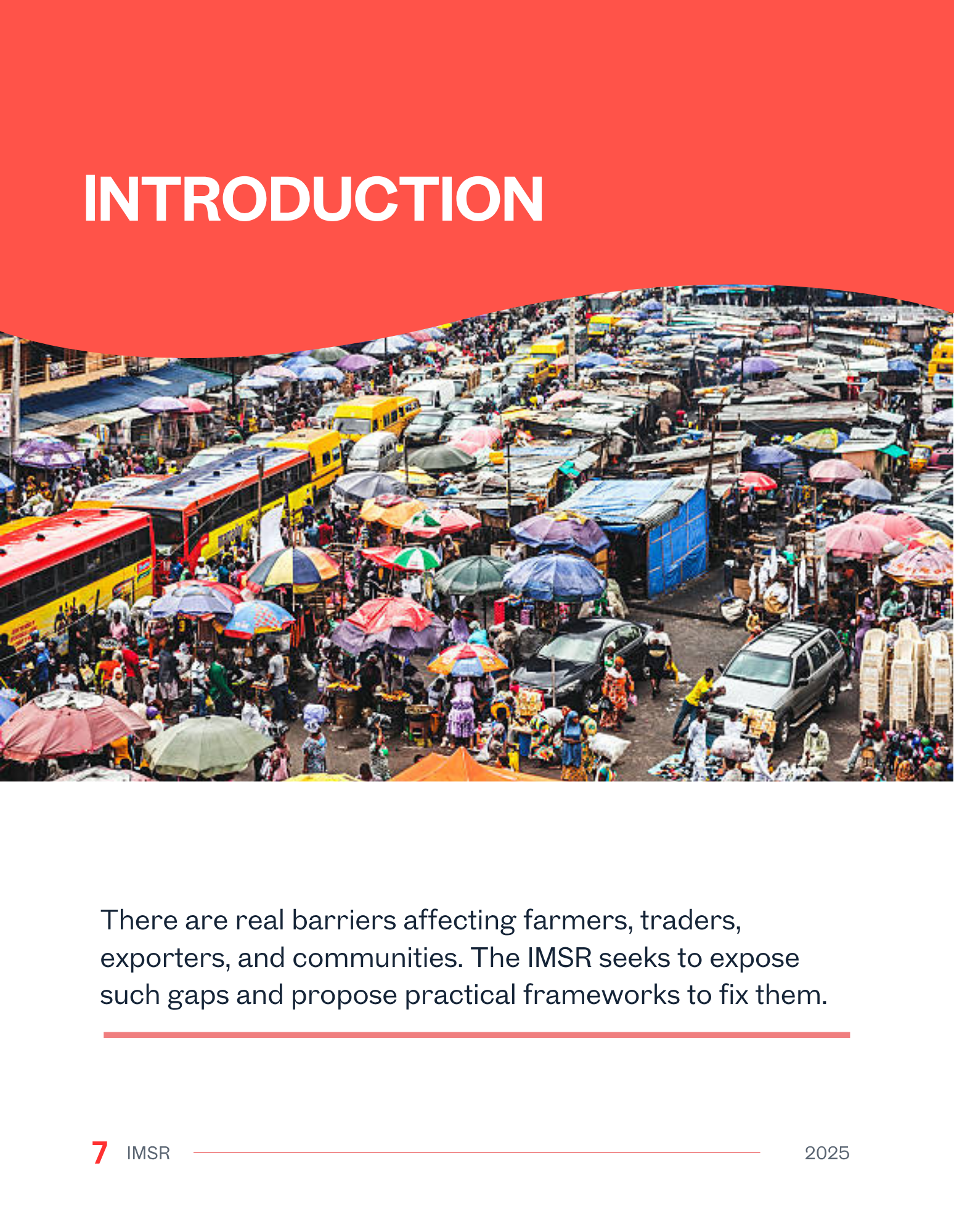
A “paint” of garri weighs differently in every market she visits.

Mama Ngozi has sold grains at the same stall for 22 years. Her unit of measure, a repurposed paint bucket, is trusted by her regulars but understood nowhere else. The report documents how these local units shape trust, price, and margin across Nigeria's food supply chain.

02 · The Mechanic

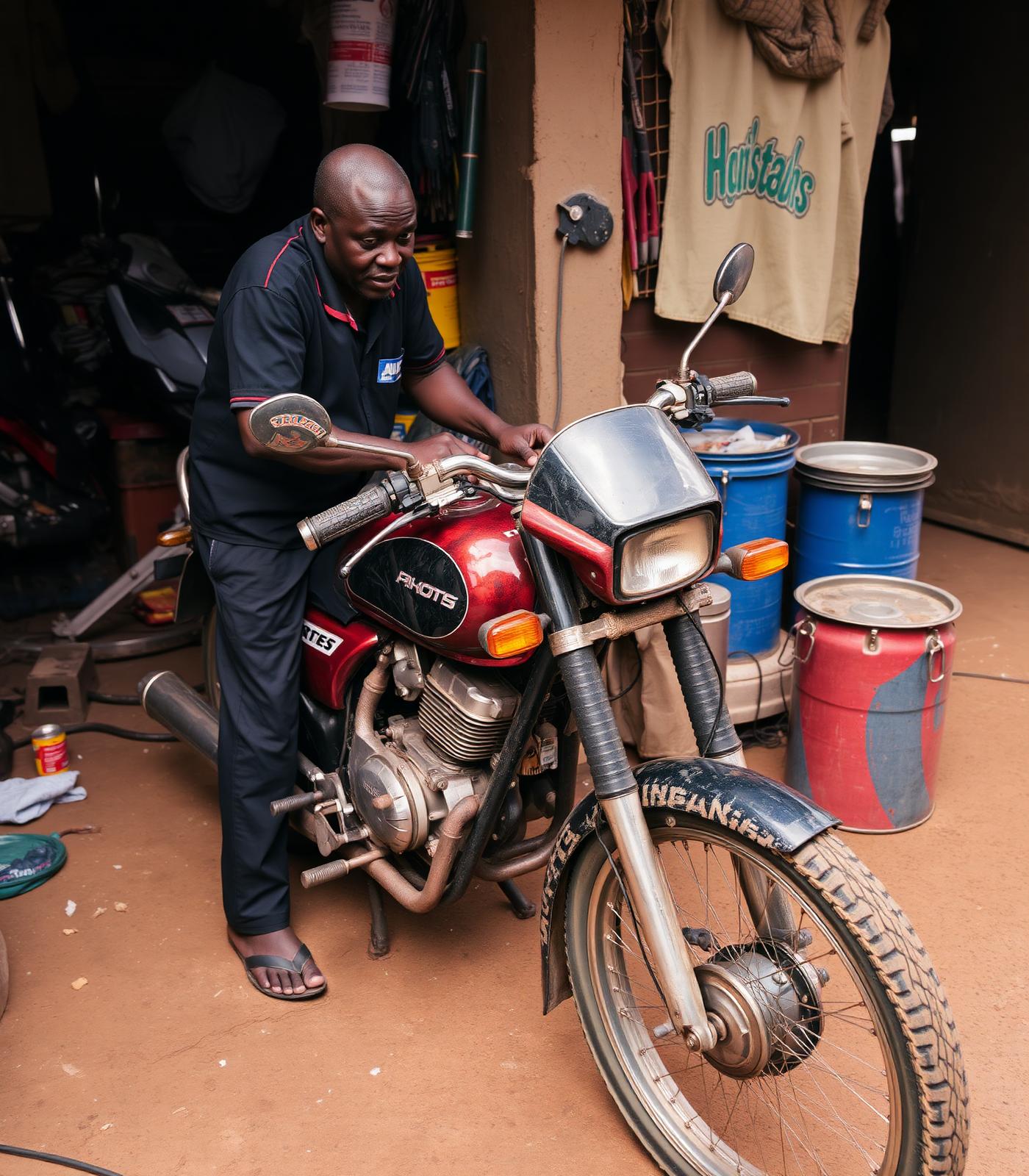
Rising parts costs turn every repair into a negotiation.

For roadside okada mechanics, spare parts prices swing by 30% in a single week. Without price references or standardised catalogues, both mechanic and rider absorb the volatility, and consumers pay the difference.

03 · The Food Vendor

Where units become a food safety issue.

Suya vendors, pepper grinders and pop up kitchens operate at the frontier of contamination risk. IMSR 2025 maps how measurement gaps, storage practices and informal supply chains meet, and where standardisation would matter most.

04 · The Tailor

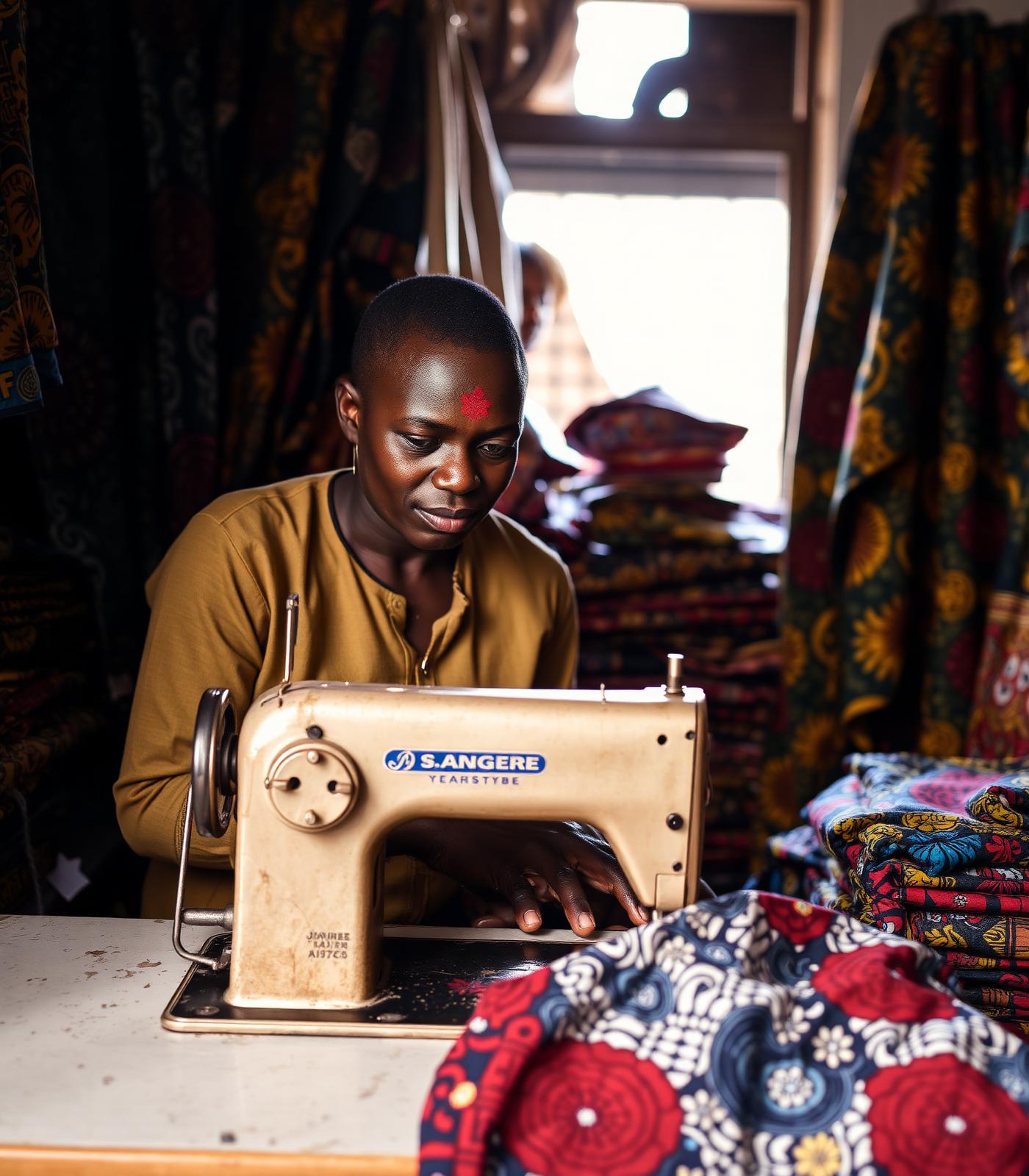
Digital payments are growing faster than most expect.

Small tailors in Kano and Onitsha now settle 40% of transactions digitally. But traceability, receipts and formal records still lag. Youth led businesses lead the shift, and reveal where infrastructure investment will pay back fastest.

Key Insights

Ten patterns shaping Nigeria's informal trade in 2025.

From digital adoption to market standardization, these ten themes recur across every market we studied. The full report unpacks each with supporting data, regional variation and policy implications.

Key Insight 01

Informal trade is rapidly embracing digital commerce.

More traders now use smartphones, transfers and digital platforms to buy, sell and communicate with customers than ever before.

Key Insight 02

Digital payments are becoming the new market standard.

Bank transfers and digital payment channels continue to replace cash for many daily transactions across urban markets.

Key Insight 03

Infrastructure remains the biggest barrier to growth.

Poor roads, electricity, sanitation and storage continue to reduce productivity and increase operating costs.

Key Insight 04

Market standardization can unlock economic growth.

Organized markets improve business confidence, consumer trust, food safety and investment opportunities.

Key Insight 05

Small businesses are increasingly data-driven.

More traders are using digital tools to track sales, communicate with customers and manage inventory.

Key Insight 06

Consumer expectations are changing.

Customers increasingly demand convenience, digital payments, transparent pricing and reliable product quality.

Key Insight 07

Youth are driving digital market transformation.

Young entrepreneurs are accelerating technology adoption across Nigeria's informal markets through innovation and digital commerce.

Key Insight 08

Standardization improves market competitiveness.

Consistent pricing, measurements, product quality and business practices create stronger and more efficient markets.

Key Insight 09

Trust is becoming a competitive advantage.

Businesses with transparent pricing, better customer service and digital visibility attract more repeat customers.

Key Insight 10

Informal markets remain Nigeria's largest untapped economic opportunity.

With better infrastructure, digital adoption and policy support, informal markets can become a major engine for inclusive economic growth.

Methodology

How we built the report.

Six months of primary research, structured across six sequential phases.

  1. 01

    Planning

    Scoping, sampling frames, market selection.

  2. 02

    Field Work

    On the ground observation across 11+ markets in 18 states.

  3. 03

    Interviews

    Structured conversations with 4,000+ vendors and operators.

  4. 04

    Validation

    Cross checking with regulators, associations and secondary data.

  5. 05

    Analysis

    150,000+ data points synthesised into thematic findings.

  6. 06

    Publication

    Peer review, editorial pass and open release.

Inside the Report

85+ pages. 10 chapters. One clear picture.

From Understanding Informal Markets to Digital Adoption & Traceability Readiness, the full contents at a glance.

01Foreword
02Introduction
03Executive Summary
04Understanding Informal Markets
05Units & Standardization Gaps
06Market Pricing & Efficiency
07Food Safety & Compliance
08Digital Adoption & Traceability
09Structural Challenges
10Policy Landscape
11Research Methodology
12References

Free · Pioneer Edition

Get Your Free Copy
of IMSR 2025.

Delivered as a PDF, straight to your inbox. No follow ups, no marketing.

We only collect your email. No spam. Ever.